Is it bad to wear old shoes?
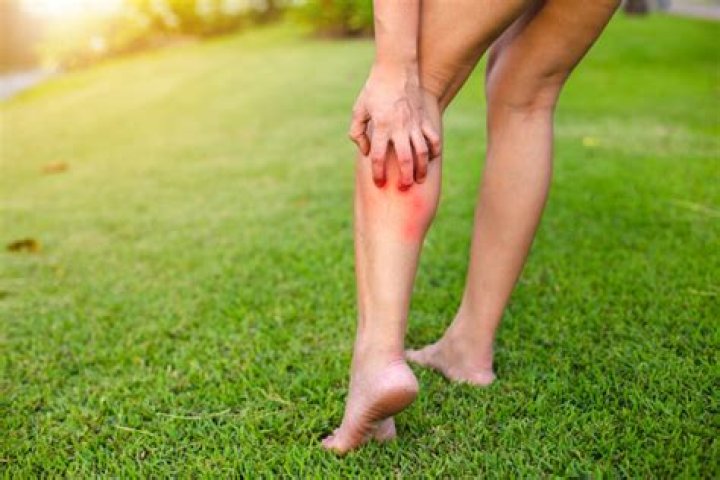
A loss of support and cushioning can cause shin splints, Achilles tendinitis, knee pain and plantar fasciitis, a common form of heel pain. As a shoe’s sole and heel wear down unevenly, the likelihood of twisting an ankle increases. In severe cases, old shoes can cause stress fractures, Langer said.
When should you replace old shoes with new ones?
Experts recommend you replace your running shoes every 500 to 750 kilometers. That’s roughly every 300 to 500 miles, which equates to approximately four to six months for someone who runs 20 miles per week.
How often should you change your shoes?
According to Shoe Manufacturers Most shoe manufacturers recommend getting new shoes every 200-500 miles. That’s quite a range! Many factors impact how quickly your shoes wear out, in addition to the miles you put on them.
How long should shoes last if you wear them everyday?
On average, shoes will last about eight to 12 months with regular, everyday wear. Of course, athletic or work footwear may not last as long due to the more demanding use. Knowing the signs of worn-out shoes, such as wear on the outsole, heel and upper, is important.
Can worn out shoes make your feet hurt?
Old Shoes – Old or worn out shoes are one of the most common problems we see as podiatrists. Usually people use the oldest shoes to do the dirtiest work or hardest work. This can cause problems such as plantar fasciitis, achilles tendonitis or other foot conditions caused by a lack of support.
What are bad things about shoes?
Wearing the wrong footwear can increase your risk of developing foot and ankle conditions and injuries, which include corns, bunions, hammertoes, and plantar fasciitis.
How often should you buy new walking shoes?
If your exercise routine consists of walking 30 minutes a day, or an average of 3 to 4 hours a week, consider replacing your shoes every six months. If you are walking 60 minutes a day or an average of 7 hours a week, consider replacing your shoes every three months.
How many miles should you put on a pair of shoes?
If you keep track of the miles you run in each pair, most high-quality running shoes should last between 300 and 500 miles—about four to six months for someone who runs 20 miles per week—though that number is lower for race-day shoes, which are designed to be lighter and faster.
Why do I go through shoes so fast?
Underpronation is common with people who have high arches and rigid feet. This occurs because your foot does not roll inwards to absorb impact, and all the pressure stays on the outside of your foot. It is also common to wear running shoes out quickly because they take more impact when you walk or run.
When do you know it’s time to replace your shoes?
Also, replace your shoes if you notice new blisters or friction spots on your feet, as that’s a sign your shoes have stretched and are allowing your feet to move around more inside them. Once you go out and replace your shoes, how do you keep them in their best shape for the longest possible time?
What can you do with an old pair of shoes?
Not only that, when you recycle an old pair of shoes, they can often be used again. In many cases, a pair of shoes you no longer need can be repaired. You can also help out by donating old shoes to those in need. This means providing a pair of shoes to someone in a third-world country who would otherwise be going without.
Is the change in running shoes a good thing?
And generally speaking, those changes have been a good thing. “For years, the running shoe industry was focused on building shoes that control how a foot moves and limit how a foot moves,” says physical therapist Jay Dicharry, MPT, director of the REP Lab in Bend, Oregon, and a leading biomechanist, running gait expert and shoe company consultant.
How often should you change your hiking shoes?
If you want the best option and are okay getting new shoes every 500 miles or so (6-12 months for most folks), go with trail running shoes. They are lighter and more “springy” than hiking shoes. Trail runners have more breathable uppers than hiking shoes, but offer less protection.
Also, replace your shoes if you notice new blisters or friction spots on your feet, as that’s a sign your shoes have stretched and are allowing your feet to move around more inside them. Once you go out and replace your shoes, how do you keep them in their best shape for the longest possible time?
What can you do with an old shoe?
You can turn an old shoe into a one-of-a-kind trendy planter. Old flip-flops can become a summer door wreath. You can use the rubber soles of old sneakers and running shoes as stepping stones in your yard and garden. Nail an old shoe to a tree, sole down, and turn it into a bird feeder/birdhouse.
Why do I have to change my running shoes?
Rotate between two (or more) pairs of shoes – this allows for shoes to “recover” from you, and also helps you from being overly conditioned from the way one pair of shoes or another may have you running and changing your run-style over time.
When do babies not need to wear shoes?
The potential effects that baby shoes could have on developing feet has been debated among pediatricians for decades. Experts at the American Pediatric Association advise against putting shoes on a newborn’s feet, and say that babies don’t need to wear shoes until they begin to walk.