Does shoes affect running speed?
Better Performance and Results You’ll not only achieve better athletic performance over time, but also see an improvement in your pace while covering long distances in a shorter time. Wearing the right running shoes also makes you faster and improves your stride.
Which shoes are best for speed running?
The Best Running Shoes for Speed
- Hoka One One Carbon X2 ($180)
- Brooks Launch 8 ($100)
- Saucony Endorphin Speed ($160)
- New Balance FuelCell Rebel v2 ($130)
- Reebok Floatride Run Fast 3 ($140)
- Nike Air Zoom Tempo Next% ($200)
How do I run faster?
- Add tempo runs. Tempo runs are 10 to 45 minute runs at a steady pace, according to Corkum.
- Start weight training. Weight lifting, or strength training, can help you run faster, improve your form, and avoid injuries.
- Introduce interval training.
- Practice fartleks.
- Run hills.
- Don’t forget to take breaks.
- Stay consistent.
How long do running shoes last?
As a general rule, replace your running shoes after 300 to 500 miles (three to six months, depending on how much you run).
How much do spikes make you faster?
Spikes Make you faster: Studies show performance improved 6% with spikes. The purpose of the present study was to quantify Short Distance Track Spikes’ effect on sprint performance in male athletes. Separating between both cleats and mass effects.
What kind of shoes help you run faster?
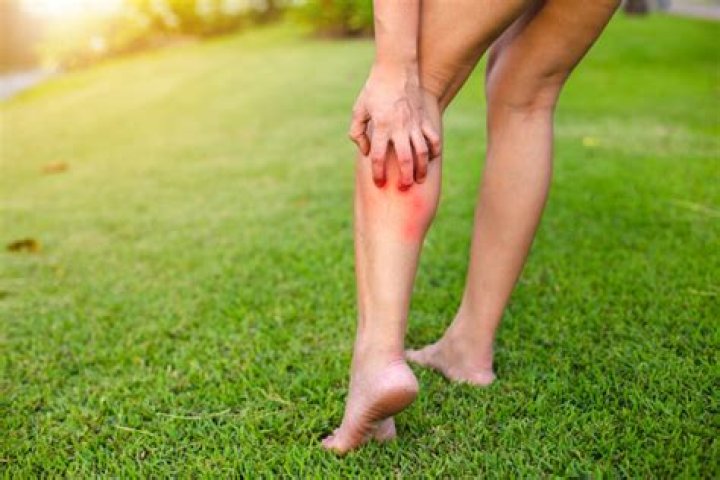
Athletic shoes are typically cushioned to reduce the impact that running places on your body. Proper footwear will ultimately minimize blisters and shin splints, allowing you to run with greater ease and speed.
How does running gear affect your running speed?
Clothing and Shoes. Athletic shoes are typically cushioned to reduce the impact that running places on your body. Proper footwear will ultimately minimize blisters and shin splints, allowing you to run with greater ease and speed. Select your running gear to compensate for temperature, wind, conditions and environment.
Why are running shoes important to a runner?
The design of a shoe is important to a runner. Their are different styles of shoes for different types of running. For people that do short sprint running they have a lot of long spikes so that they have great friction between their shoes and the track that they are running on and will be able to reach high speeds.
How much does a heavier shoe slow you down?
Studies dating back to the 1980s have shown that for every additional 100 grams (3.5 ounces) per shoe, you burn about 1 percent more energy. In theory, running speed and energy cost are proportional, so a 1-percent increase in mass should roughly correspond to a time that’s 1 percent slower.
How are running shoes designed to help you run faster?
Running shoes are designed in a way that improves running efficiency. Science suggests that if you can reduce the energy it takes to run, then in theory, you should be able to run faster and for a longer period. To do this, a number of techniques can be adopted.
Studies dating back to the 1980s have shown that for every additional 100 grams (3.5 ounces) per shoe, you burn about 1 percent more energy. In theory, running speed and energy cost are proportional, so a 1-percent increase in mass should roughly correspond to a time that’s 1 percent slower.
Which is worse running shoes or running barefoot?
If a shoe isn’t compatible with your individual gait, then it may be worse for you than simply running barefoot, no matter how great its marketing team makes it sound. Running shoes might make a difference, but only if you’re a good consumer.
How does running without shoes improve your economy?
Without shoes, you lose the benefits of cushioning, which Kram’s previous research has shown can improve running economy by as much as 3-4 percent. In fact, as another of Kram’s studies showed, you can get the same benefit without shoes, by cushioning the ground with 10 millimeters of EVA foam.