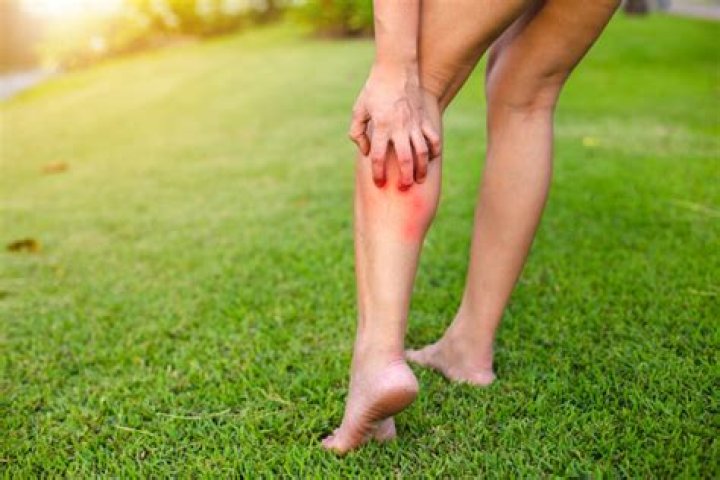
Do shoes ruin your feet?
Your air-cushioned running shoes or gel-cushioned work shoes are creating all kinds of problems. After a long day of work, it’s normal to have tired feet—but many people suffer from chronic pain such as tendonitis, shin splits, or plantar fasciitis caused by so much time spent wearing bad shoes.
What to do when your shoes hurt your feet?
Make your shoes more comfortable
- Stretch them. Use a wooden or plastic shoe shaper overnight to gently stretch the problem shoes.
- Oil them. Massage oil, such as neatsfoot oil, mink oil, coconut oil, or olive oil, into the edges of leather shoes that are hurting your feet.
- Warm them up.
- Mold them.
Why do shoes cut my feet?
If your shoes are too tight, your feet are less likely to move around. Therefore, you’ll reduce friction. However, the backs of snug shoes can dig into your heels, creating indentations that can eventually break the skin. If your heel pops in and out of your shoe when you walk, it’s bound to rub the skin.
What happens to your feet when you wear shoes that are too small?
Tight shoes can cause even more problems. They can: make you unstable on your feet. deform your toes, produce blisters between your toes, and aggravate structural problems like hammer toe, mallet toe, and bone spurs.
How do I stop my shoes from rubbing my heels?
To help, our podiatrists have put together a few of their top tips for stopping your shoes from rubbing against the back of your heel.
- During the shoe buying stage.
- Choose the right socks.
- Use good insoles
- Be mindful of shoe materials.
- Reduce the moisture in your shoes.
- Consider stretching your shoes.
- Check for rough edges.
Why do my shoes keep eating my socks?
I think this happens because your shoes are a bit too large. Try more snugly fitting shoes, and it shouldn’t happen. 90% of the ankle socks I wear with sneakers stay put but the other 10% slip down. My shoes fit properly; it is the nature of the socks. The slippers are slightly thinner and sleazier than the non-slippers.
Do you think shoes are good for your feet?
But traditional shoes can be good for your feet, too. “We”—meaning human beings—“started wearing shoes for a reason,” Lieberman says. “They’re comfortable and they protect our feet, so there are benefits and costs.”
Can a pair of shoes cause your feet to hurt?
They can lead to pain if you’re not careful. Before you toss every pair of shoes in your closet, let’s run through a quick primer on your feet. Your feet have the big job of supporting your body weight and sustaining the impact of standing, walking, running, and everything else you do throughout the day.
Why do my feet smell when I wear shoes?
Foot odor and infections happen when the bacteria that live on your skin and in your shoes eat your sweat. (Ew!) This produces an acid byproduct that smells unpleasant, says podiatrist Joy Rowland, DPM.
Are there any shoes that are bad for your feet?
Most have reinforced heels, athletic shoe construction, and more wiggle room for your toes. Although all high heels can cause problems, the ultra-narrow heels of stilettos are particularly risky because the weight is pinpointed on one small area.
What to do if your shoes don’t support your feet?
It could also be because your shoes do not give your feet enough arch support. Try putting in a silicone heel cup or an arch support insole. Both can be trimmed down to the right size, and have adhesive on the back so that they don’t slip around.
What kind of shoes are better for your feet?
These shoes handle your weight more evenly. This makes the feet much more stable when compared to stilettos or spindle heels. Although thick high heels can still put stress on the ball of the foot, you’ll probably be steadier in them and less likely to fall. You won’t get any arch support from these shoes.
What happens to your feet when you wear too small shoes?
Nine out of 10 women are wearing shoes that are too small. The consequences aren’t pretty — calluses, blisters, bunions, corns, and other problems. The constant rubbing can irritate the joints in the foot and lead to arthritis. These aim to mimic the natural feel and mechanics of walking barefoot.